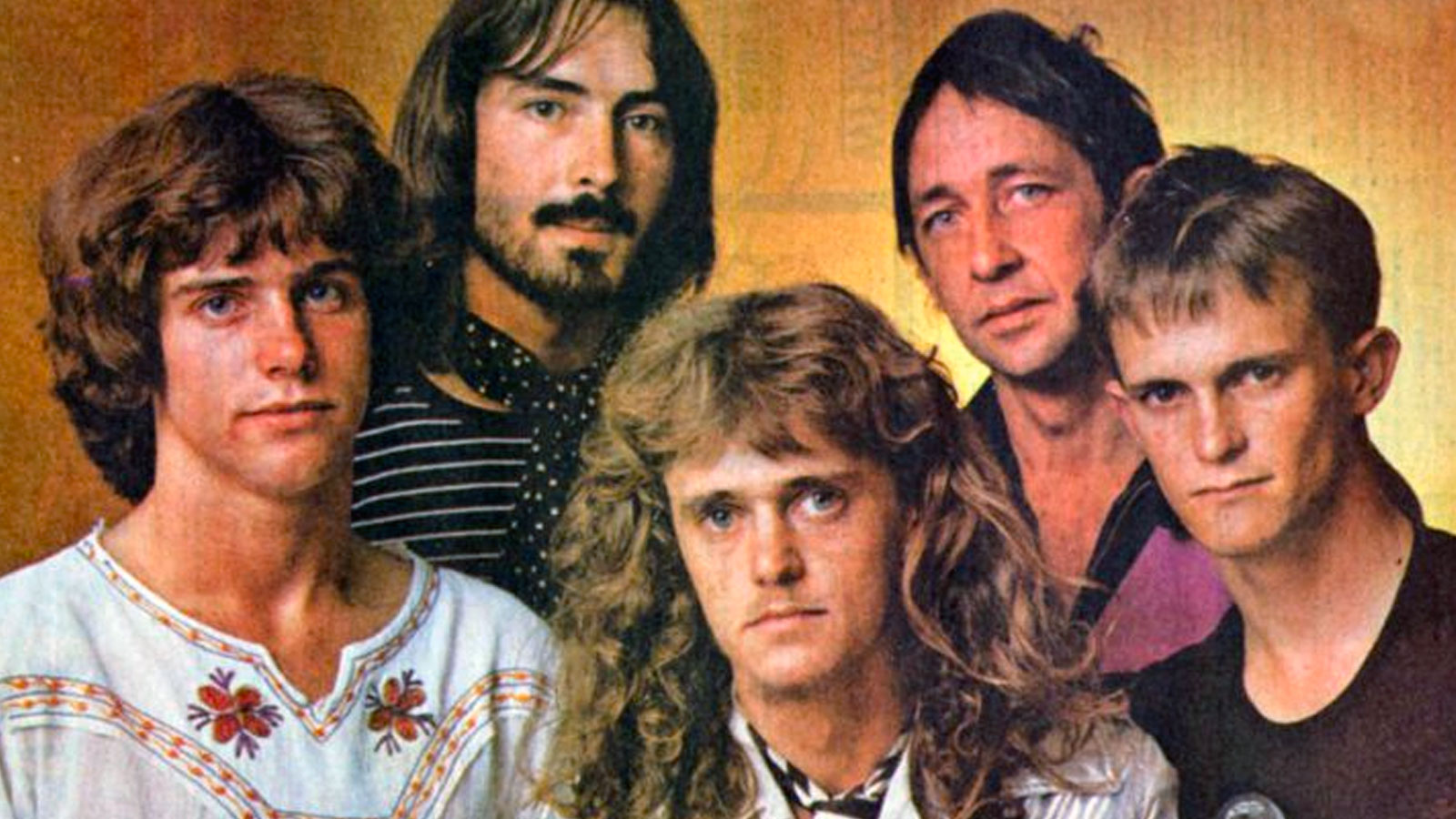
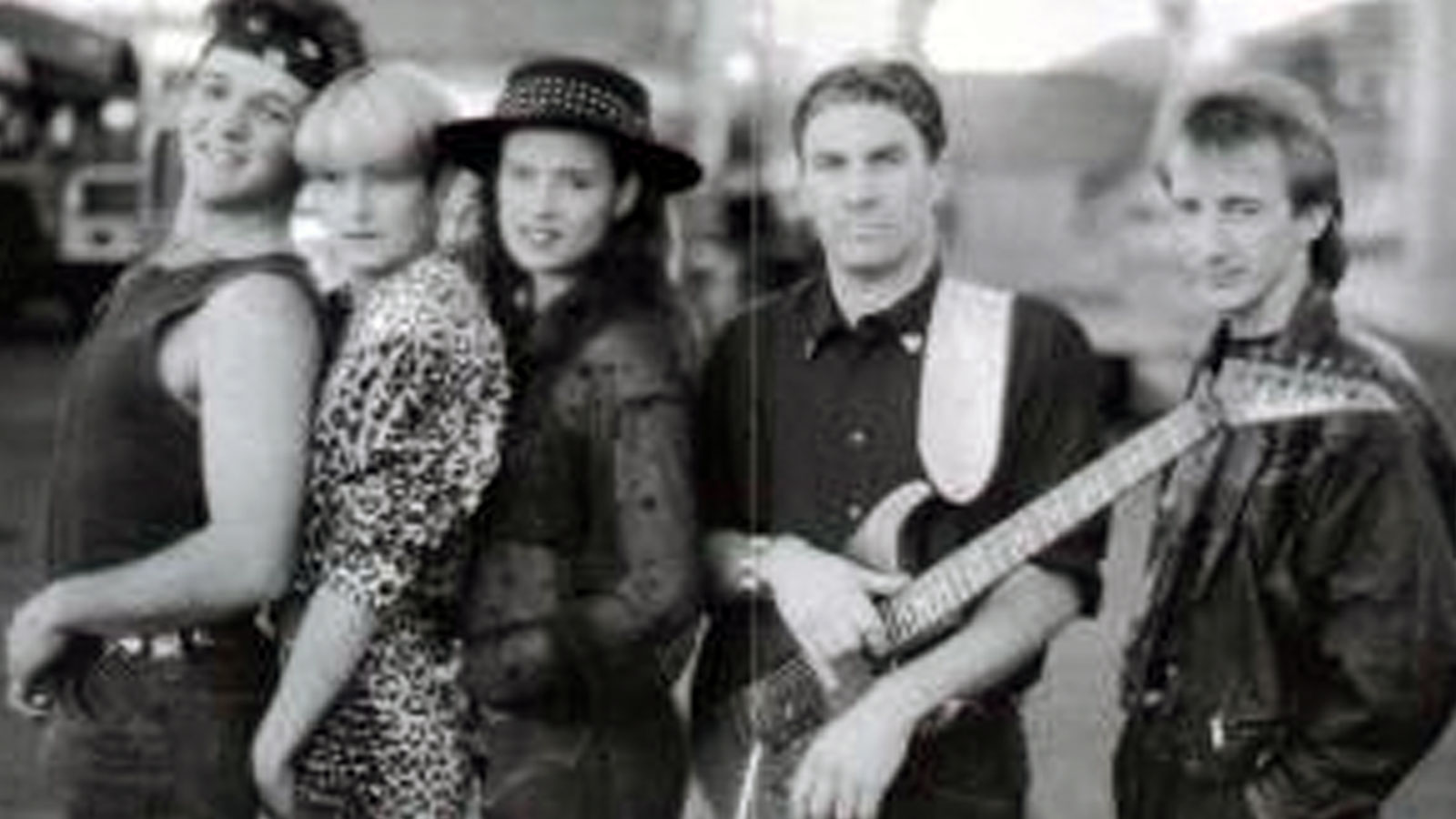
Formed in Cape Town in 1979. The line-up of the band for their 1981 album, Comic Strip Heroes was Simon Cotton (vocals), Robin Lancaster (rhythm guitar, vocals), Garth Hichens (lead guitar), Simon Walker (lead guitar), Howard Butcher (bass guitar), Harry Lancaster (drums).
The band also featured Robin Auld (guitar), Brian Davidson (Vocals), Cheryl Gunning (Keyboards), Lloyd Martin (drims), and Charl Vorster (percussion), at various points.
Although not releasing any new music for the next two decades the band continued to perform from time to time. After a long layoff the group reconvened to record the Eden Sessions EP in 2006, with Robin Lancaster, Howard Butcher, Harry Lancaster, Garth Hichens with Gary Munroe (sax and flute) and Brett Lancaster (keyboard, vocals) joining.
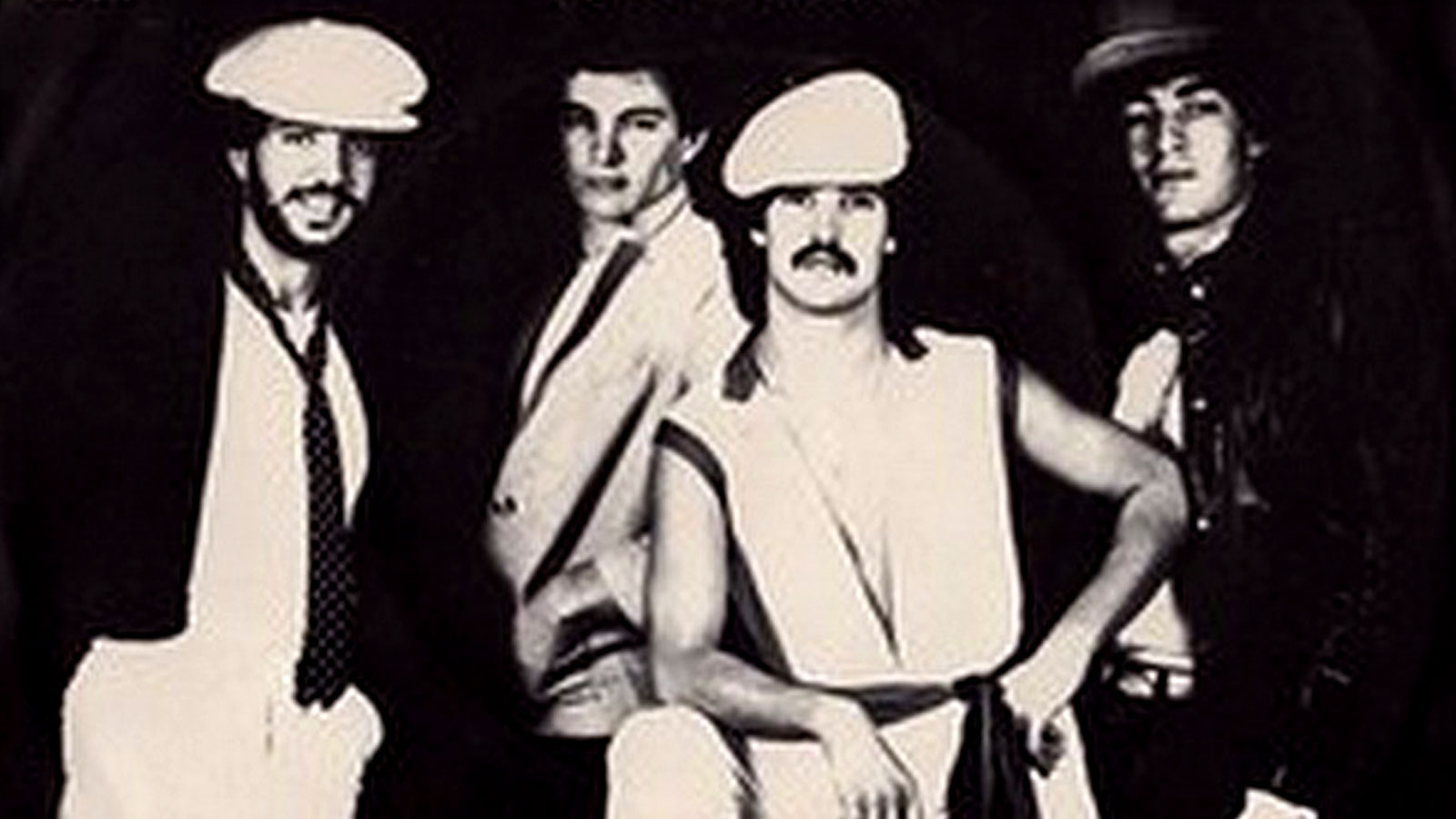
Formed in 1979 with Selwyn Shandel (keyboards), Russel Kramer (keyboards and guitar), Gavin Bassett (vocals), Jacques Langeveldt (bass and vocals), Hawk Bowman (guitar and vocals), Richard Andre (guitar) and Michael Andre (drums).
There were various line-ups but Shandel and Kramer remained in the group throughout its existence.
They broke up in 1983 having released five singles but never an album.
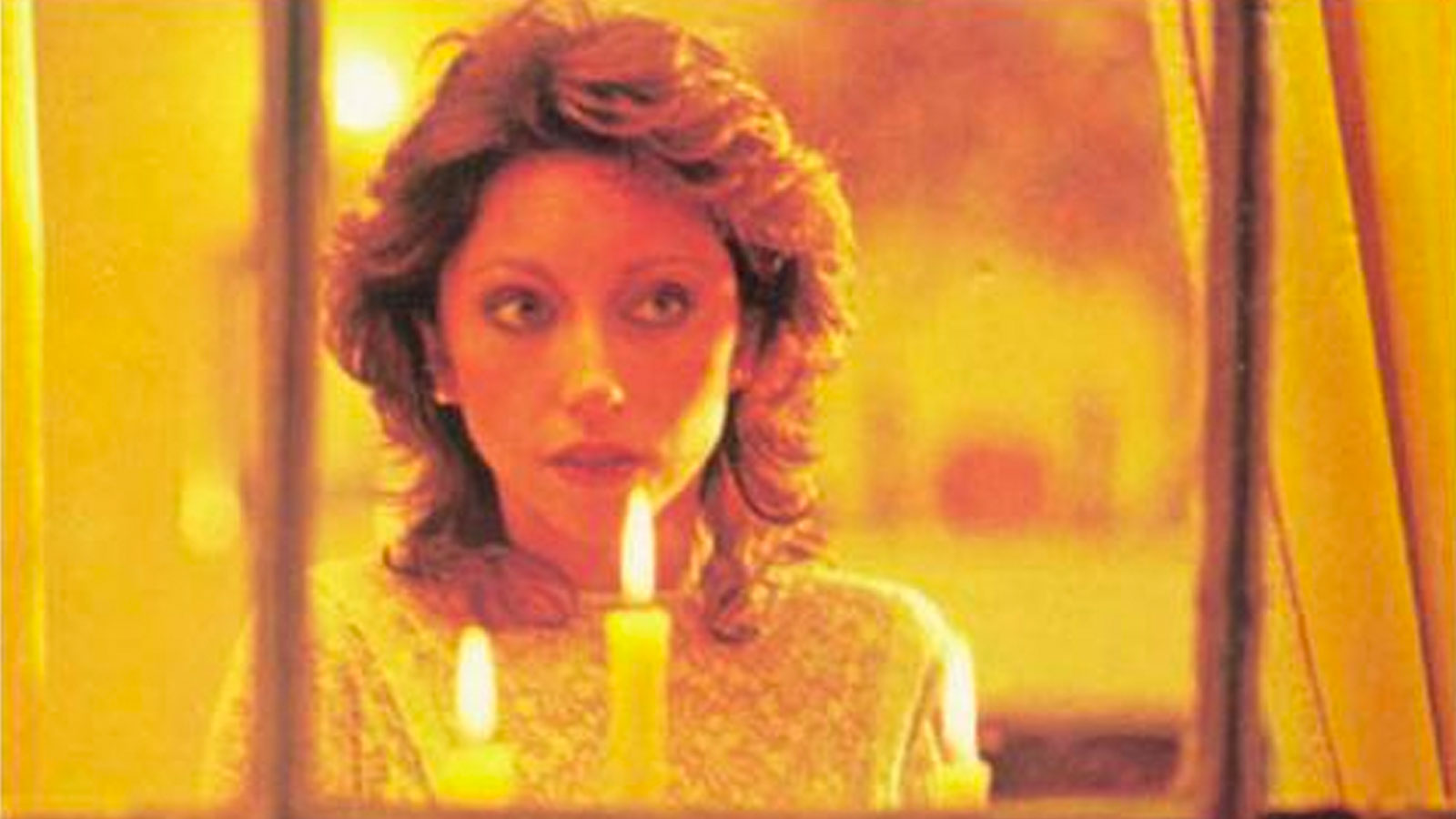
Stellenbosch-based singer who recorded her debut self-titled album in 1981.
She immediately rose to prominence with her first single “Grips of emotion” (1981) and went on to record several an albums each year for the next three years and sporadically over the next two after that.
Her new singles consistently received airplay on South African radio upon release.
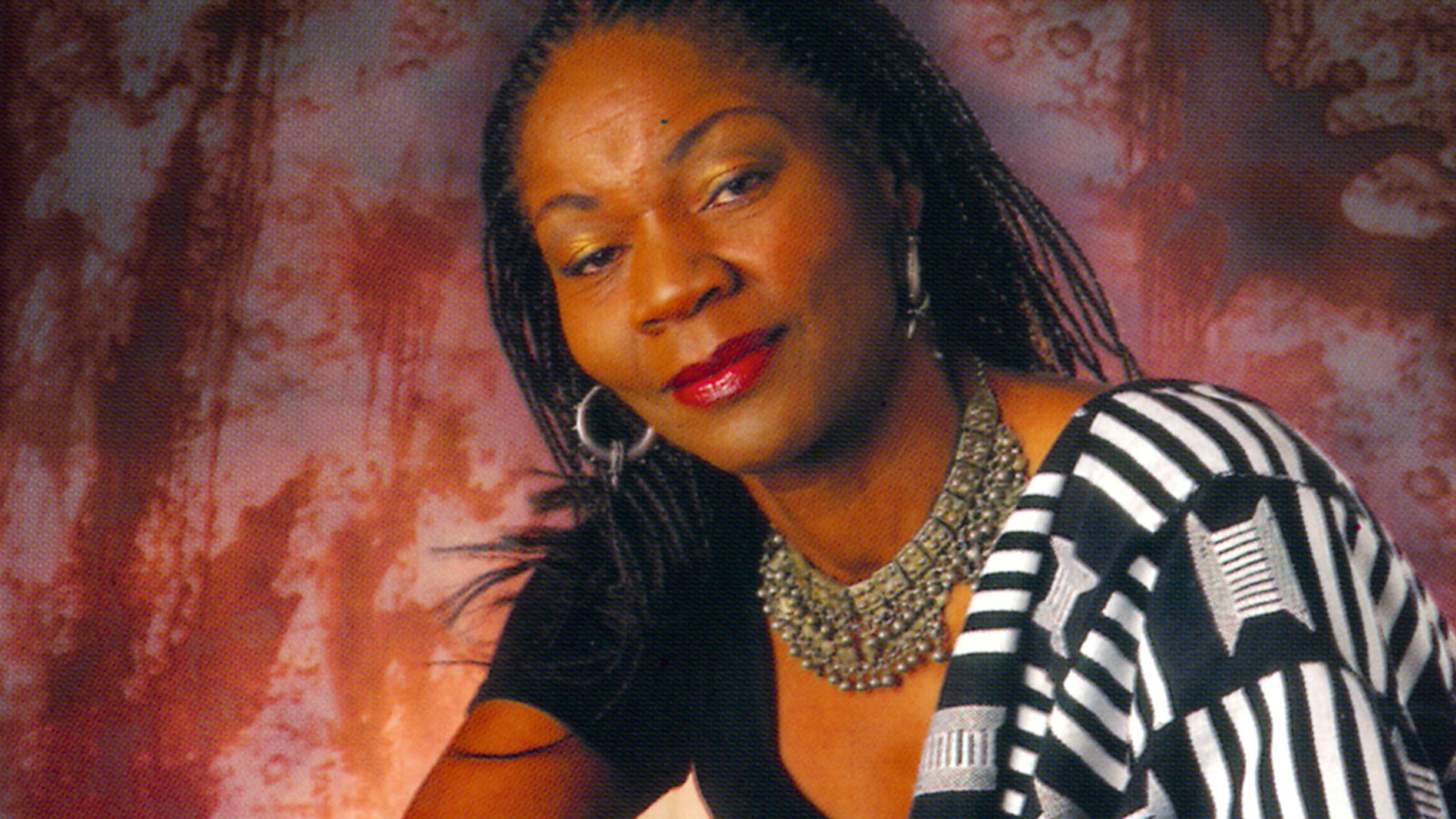
Soweto-based singer who was a member of the Skylarks, replacing Miriam Makeba when she left South Africa.
She then toured England and the United States with the King Kong musical before settling in the United States. She went on to enjoy a long and successful solo career, releasing her debut album, Letta Mbulu Sings in 1968.
She went on to release singles and albums regularly throughout the late 60s, 70s and early 80s with a less regular album releases thereafter.
Formed in the late 1980s with Debbie Lonman (vocals, bass), Jenni Lonman (vocals), Sandy Robbie (guitar), Marc Bentel (keyboards) and Johnny Burnett (drums).
They released their first album Ready And Willing in 1990 and followed that with More Than Meets The Eye in 1991.
They release two further albums in the 1990s.
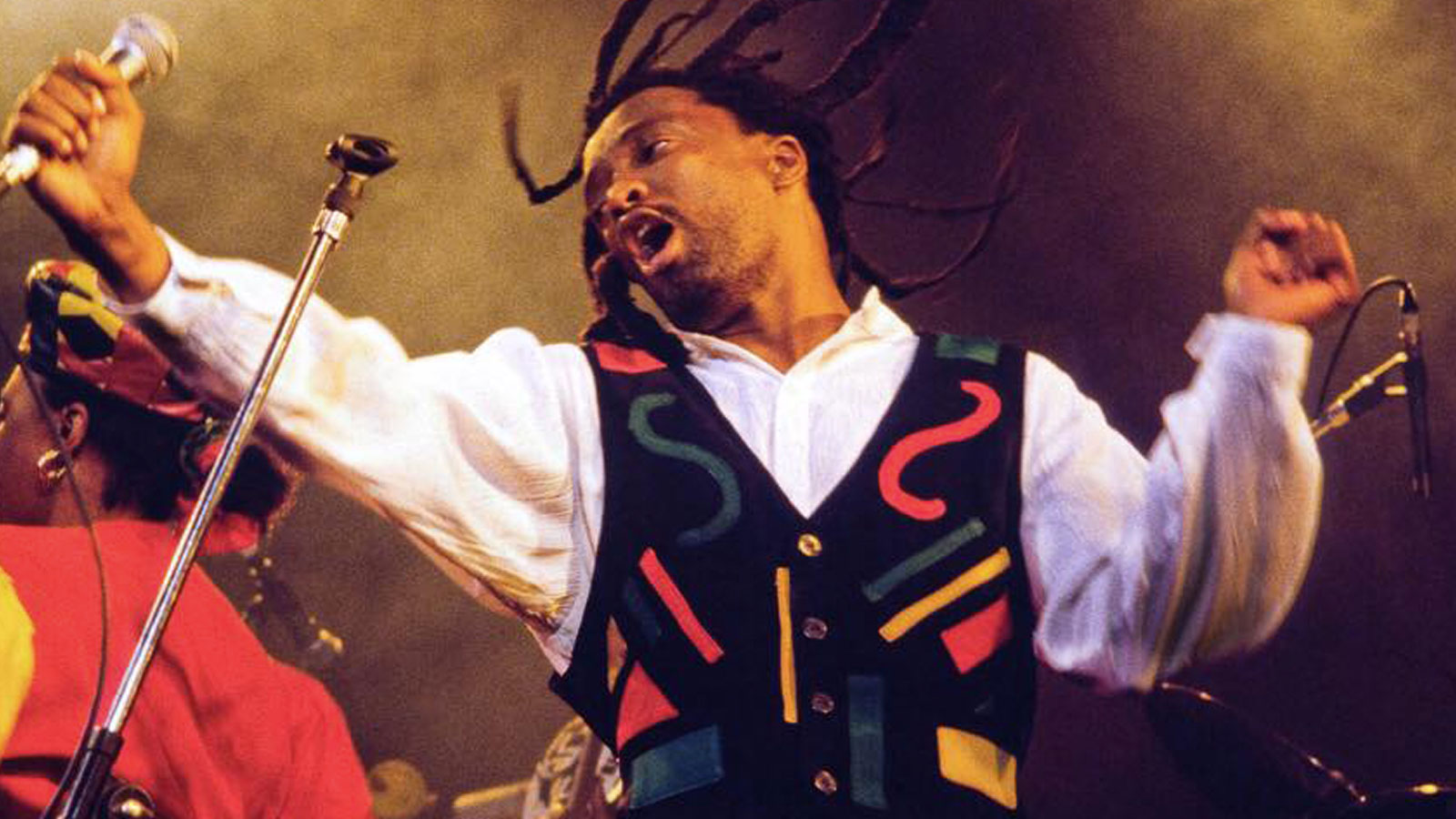
Born in Ermelo, Mpumalanga in 1964. Began his music career singing mbaqanga music with The Love Brothers, later to become Lucky Dube And The Supersoul.
He released his first album, Lengane Ngeyethu, in 1981. He released five further mbaqanga albums, the last being Umadakeni in 1987.
During this time he switched to reggae music and his career took off in South Africa, Africa and internationally towards the back end of the 1980s. His first reggae release was the Rastas Never Die EP released in 1984.
In 1986 he released two Afrikaans EPs as Oom Hansie (Die Kaapse Dans and Help My Krap).
His first full reggae LP release was Think About the Children also released in 1986. This was followed by the top selling albums Slave (1987), Together as One (1988), Prisoner (1989), House Of Exile (1991) and Victims (1993).
He went on to release several more albums and tour internationally before his death in October 2007, a victim of violent crime.
Photograph of Lucky Dube courtesy of Harold Gess Photography.
All Rights Reserved.
Solo project of Lucy Kruger. She completed her degree in music and drama and honours in drama at Rhodes University, Grahamstown before moving to Cape Town and is currently based in Berlin.
She launched her music career with the Cut Those Strings album in 2012 followed by the Lucy Kruger and the Lost Boys EP in 2014 and has released two subsequent albums: Summer’s Not That Simple (2017) and Sleeping Tapes For Some Girls (2019).
Assembled by Condry Ziqubu in 1984 as a backing band for exiled artists Letta Mbulu and Caiphus Semenya. Lumumba consisted of Condry Ziqubu (guitar), Sipho Gumede (bass), Jabu Nkosi (keyboards), Makhaya Mahlangu (percussion).
They toured with Letta Mbulu and Caiphus Semenya in Botswana and Lesotho in 1984 and the United States in 1985.
Lumumba also constituted Condry Ziqubu’s early backing band and in 1984 they released “Yellow Mieliemiel”, followed by “Skorokoro” and “Via Orlando” in 1985, “Gorilla Man” in 1986 and “Sounds of Soweto” in 1987.
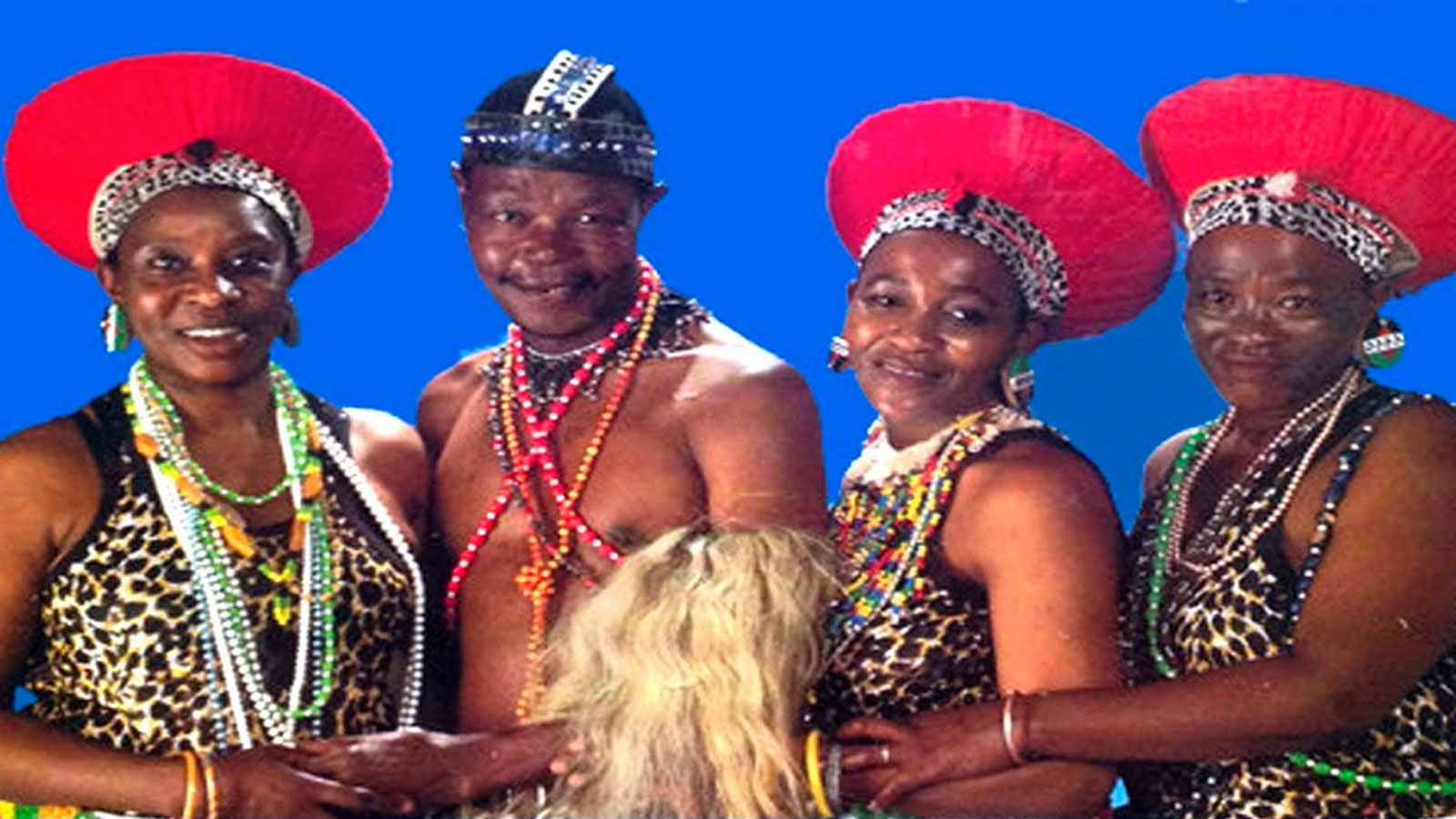
Johannesburg-based Simon Nkabinde (Mahlathini) began his music career as a member of Alexandra Black Mambazo in the 1960s before embarking on a solo career, including releasing many songs with the Mahotella Queens.
In 1977 and 1982 they recorded the singles “ThokoZile 1200” and “Vulani Sifuna Ukunitshela” respectively, both released as Mahlathini And The Queens.
In 1987 they got together to form a more long-lasting live performance and recording partnership (at that stage the Mahotella Queens consisted of Nobesutho Mbadu, Hilda Tlaubatla and Mildred Mangula).
They released the album Thokozile in 1987, followed by Paris – Soweto in 1988 and Music Of Our Soul in 1990.
In 1989 their song “Yebo!” in partnership with The Art of Noise was an international hit. They brought out several more albums over the next decade, culminating in Umuntu in 1999. Simon Nkabinde died in 1999.
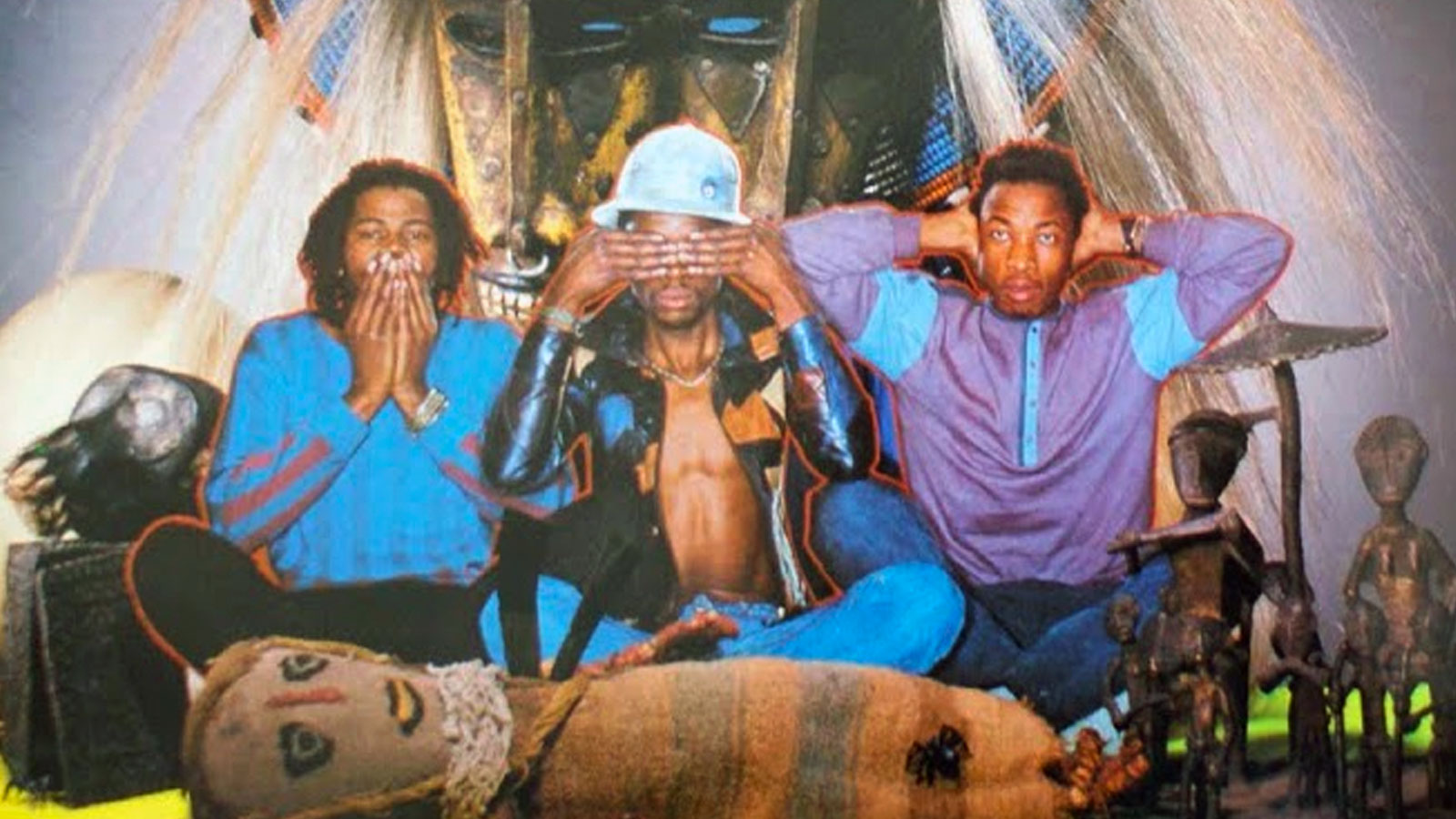
Formed in South Africa in 1978 with Patrick Sefolosha (percussion), Madoda Sosibo (drums and vocals), Duze Mahlobo (lead guitar, vocals), Samson Tshabalala (guitar, vocals) and Patrick Mokoka (bass, vocals).
They released their debut album, Fire, in 1982.
By this time their line-up had changed to Patrick Sefolosha (percussion), Madoda Sosibo (drums and vocals), Duze Mahlobo (lead guitar, vocals), Samson Shabalala (guitar, vocals) and Patrick Mokoka (bass, vocals) and Martin Rachabane (flute, sax).
They relocated to Europe (initially Paris) because they were finding it very difficult to exist as an anti-apartheid political band in South Africa. They released their follow-up album Malopoets in 1985. For this album their line-up had changed to: Patrick Sefolosha (percussion), Madoda Sosibo (drums and vocals), Kenny Mathaba (lead guitar, vocals), Samson Shabalala (guitar, vocals) and Patrick Mokoka (bass, vocals), Moss Manaka (percussion, vocals, rap) and a guest appearance from Mervyn Africa on keyboards. This album included the single “Sound of the People”.
They moved to Belgium and in 1989 released their final album Life is For Living which included the single “The End is Near”.
Several members of the Malopoets went on to form Sounds Of Soweto in 1989, also based in Europe.