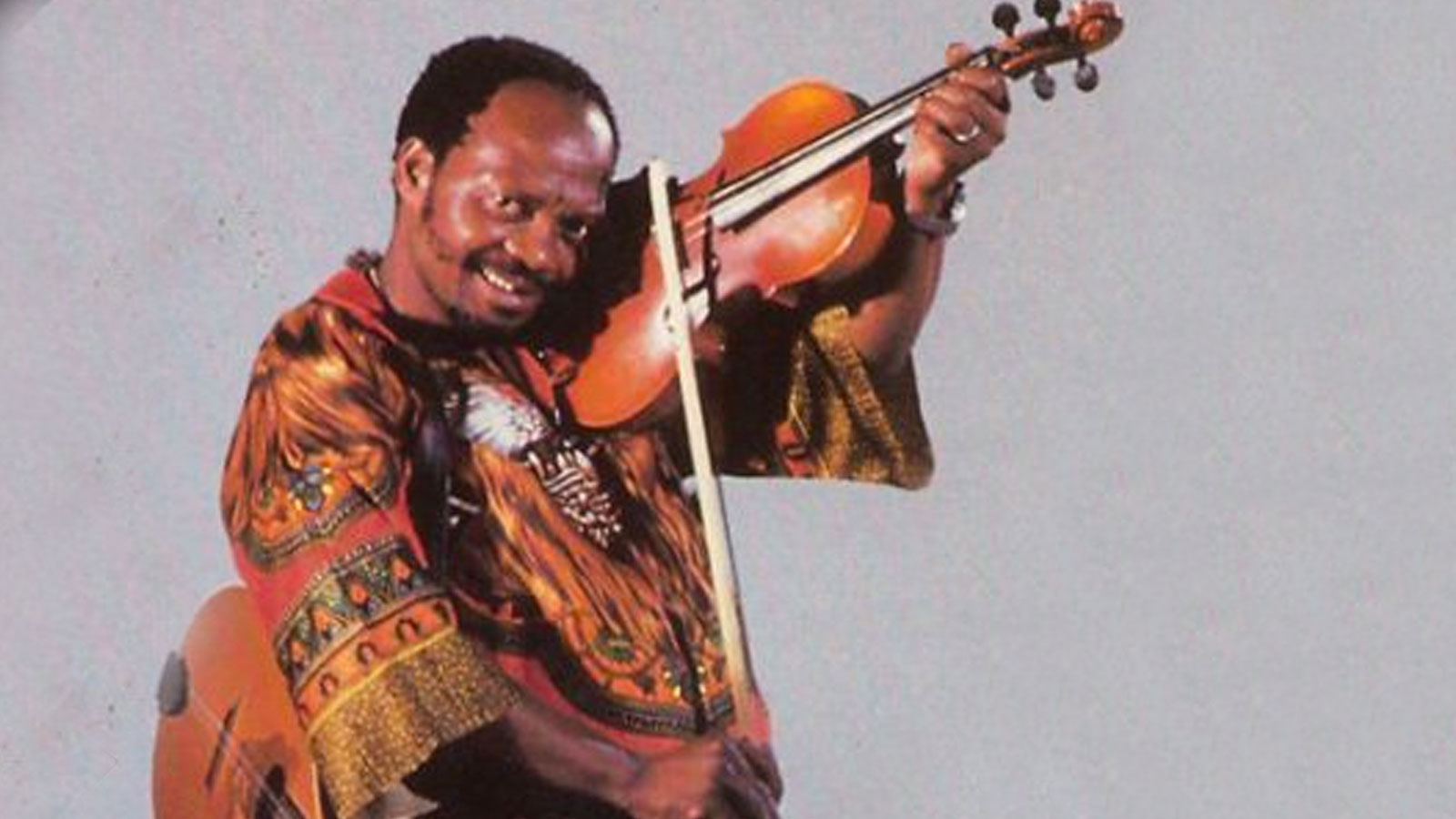
Grew up in Kwazulu-Natal and began to learn the guitar in the late 1950s. In the early 1960s he started performing as a session musician and performing in shabeens.
He also learnt to play the violin. Over the next thirty years he played on sessions with a wide variety of musicians including the Boyoyo Boys, West Nkosi, Robart Bopape and the Mohatella Queens.
In 1986 he recorded the Grooving Jive No. 1 EP (with Shifty Records) as a member of the Jo’burg City Stars.
In 1989 he recorded his first solo album with Shifty Records, The Art of Noise.
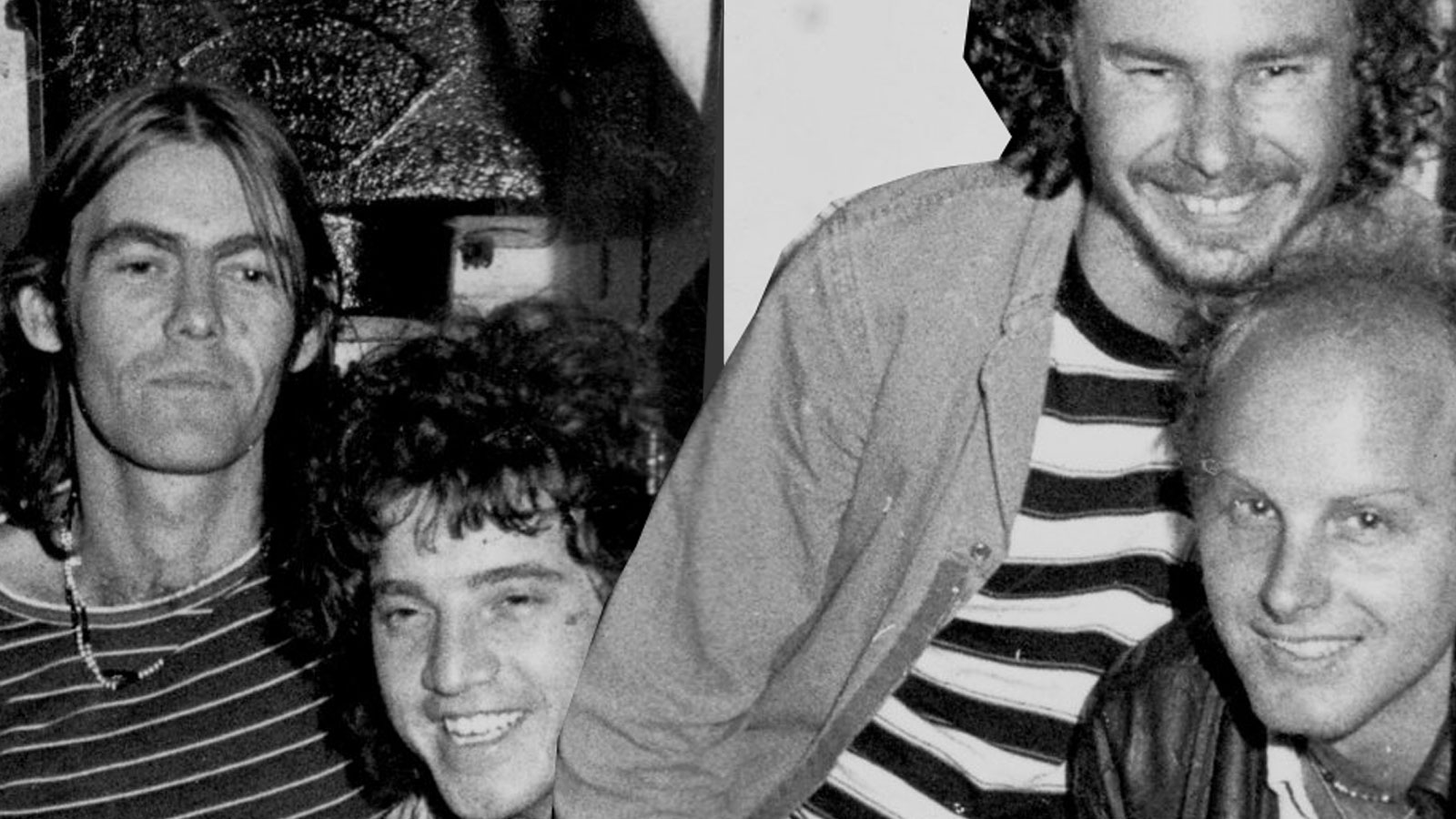
Johannesburg-based band formed in 1979, originally known as The Other Band. The band was: Dax Butler (sometimes vocals, keyboards, sax), Mick Hope-Bailey (vocals, guitars), Larry Jenkinson (vocals, bass) and Gavin ‘Mojo’ Stevens (drums, vocals).
As The Other Band they released four singles which were ignored by radio.
After a residency stint in Swaziland and Cape Town returned to Johannesburg in 1982 and changed their name to Nude Red. Recorded the album Dischords ‘N’ Dat Chords which the record company refused to release because of some of the lyrics (but now available on Bandcamp).
They contributed the track “Too Much Resistance” to the Shifty Records and End Conscription Campaign anti-conscription compilation album, Forces Favourites (1985).
They broke up in 1986. Gavin Stevens went on to join Mango Groove. Dax Butler went on to pursue a solo career.
Grahamstown-based indie rock band, active 1997–1999. Members comprised Jo Edward (vocals, flute, guitar), Brett Lock (bass), John Taylor (guitar) and Gareth Sweetman (drums).
Their debut EP Don’t Feed The Animals (1997) was recorded over five days at Sharp Street Studios in Johannesburg with producer Willem Moller. The single “Leave This Town” went to number one on RMR during the National Arts Festival and received national airplay on 5FM in November 1997. A second release, Steaming On The Lawn (1998), was recorded live at a small studio in Grahamstown as a demo for a planned full album that was never completed. Brett Lock subsequently relocated to London, where he became a member of The Sighs of Monsters.
A mid-1980s studio project involving producer Richard Siluma who recycled familiar tunes with Afrikaans vocals added by his cousin, Lucky Dube.
They released two Maxi singles: “Kaapse Dans” (1985) and “Help My Krap” (1986). “Kaapse Dans” was also released as a single in 1985.
In 2005 an album-length CD, Oom Hansie Kaapse Dans En Anner Hits, was released by Gallo, including previously un-released tracks. A cassette version of the Kaapse Dans EP was banned by the South African government’s Directorate of Publications because of bad language.
Alan Rosenberg (guitarist and songwriter) formed Peach with Angie Peach (vocalist), Tini Borsis (rhythm guitarist), Penny Borsis (Drums) and Carol Wood-Greene (bass).
Their First single, “A lot of things’, was released in 1980 and went on to perform well in the charts, as did the follow- up single, “Nightmare” released in 1981.
They released only one album (On Loan for Evolution) and despite their South African success in the early 1980s they broke up when it became clear that overseas exposure was closed to them (as a result of the growing strength of the cultural boycott against apartheid South Africa).
Hi-NRG/Euro disc group formed in 1986 in Johannesburg by producers Paul Crossley and Terry Owen. Cindy Dickinson left Syndicate to join the group on vocals.
They released the single “Reincarnation (Coming Back For Love)” in 1985. Their 1986 single “Deliverance” became a big success in Europe. This gave rise to the Deliverance album released in 1987 along with follow-up singles “Restless Lovers”, “Midnight Lovers”, “Hiroshima” and “Fighting For Our Lives”.
Cindy Dickinson left the group because she was being financially exploited. She was replaced by Angie Gold.
Paul Crossley died in August 1989.
A subsequent compilation CD People Like Us was released in 1988, including new songs with Angie Gold as vocalist in addition to mostly previously released songs sung by Cindy Dickinson.
Pretoria/Johannesburg based band. Formed in 1984 by Jonathan Selby (vocals, guitar, keyboards), Johan Griesel (bass), Harold Skenk (keyboards) and Francois du Plessis (drums).
Before they recorded anything du Plessis was replaced by Danny De Wet on drums.
They released the single “Magical Touch” in 1984 and then two albums, The Voice of Reason (1985) and The Perfect Gift (1986) along with several singles.
They received considerable radio play in 1985 and 1986 but the band broke up after Jonathan Selby participated in the controversial Bureau for Information propaganda song in 1986.
Formed in Johannesburg in 1981. Andrew Craggs (guitar), John Leyden (bass), Johno Lloyd (drums), Bertron Mouton (sax) and Brian Little (lead vocals).
They were the house band on weekends at Club Metalbeat in 1981 and in May recorded the EP Mzeza with Gallo. However, it was never released.
In 1982 they recorded a second EP, The Rest which was released. Thereafter John Leyden went on to form Mango Groove.
Durban-based band which formed in 1985 comprising Kevin Flame (guitar, vocals), Simon Fellows (bass), Richard Pullen (keyboards) and Clive Dickenson (drums).
Released the single “Stain Me” in 1986.
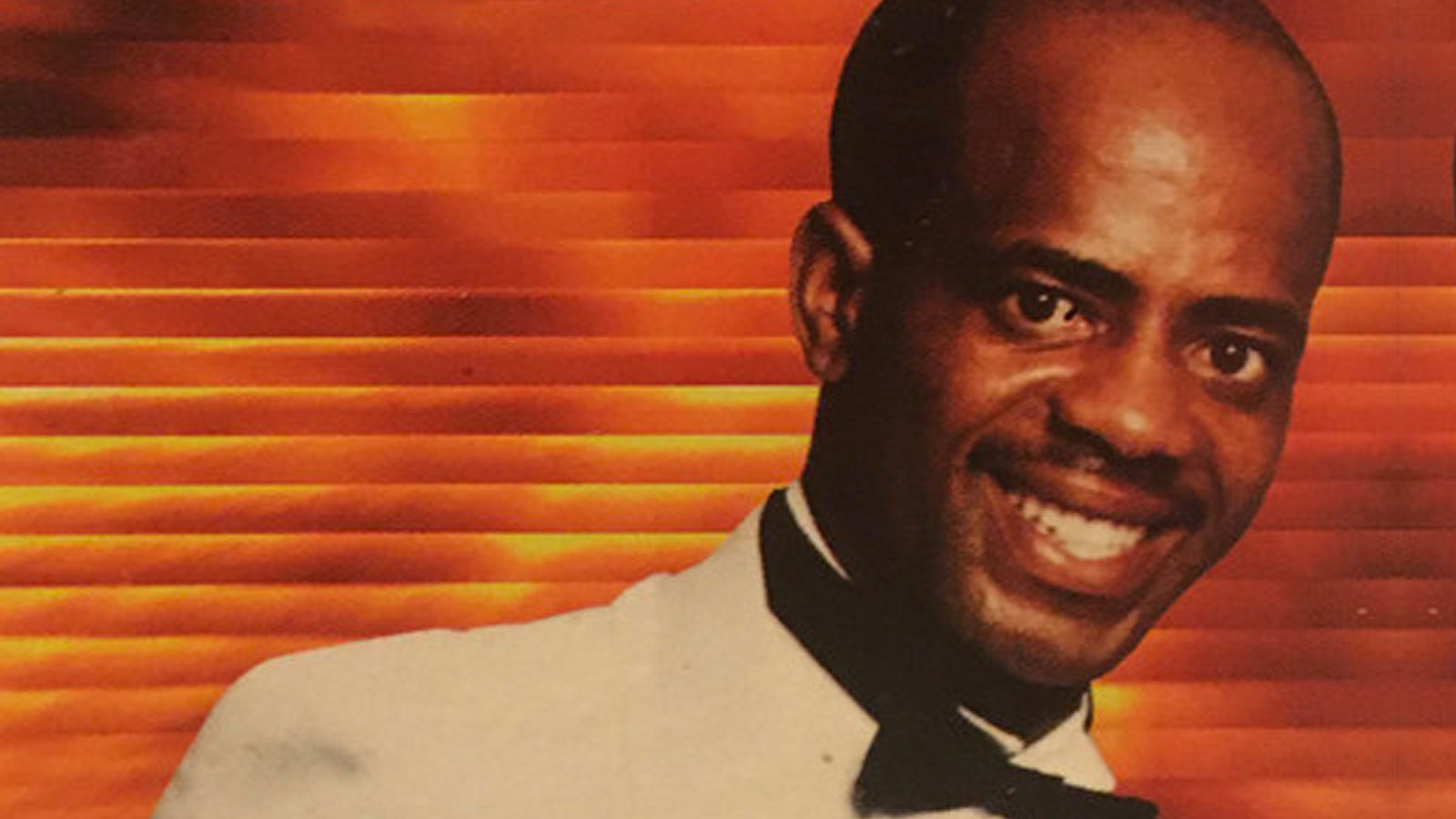
Grew up in Durban, started a music career after leaving school.
He released his first single “Lonely Heart” in 1982 and his first album, Ovation in 1983. His third single “Live On” in 1983 saw him begin to make a name for himself in South Africa.
He released several singles in the early to mid-1980s and seven albums between 1983 and 1990.