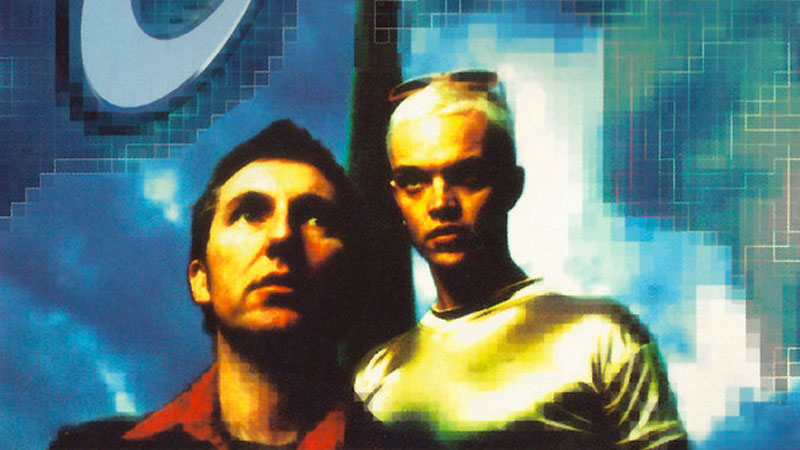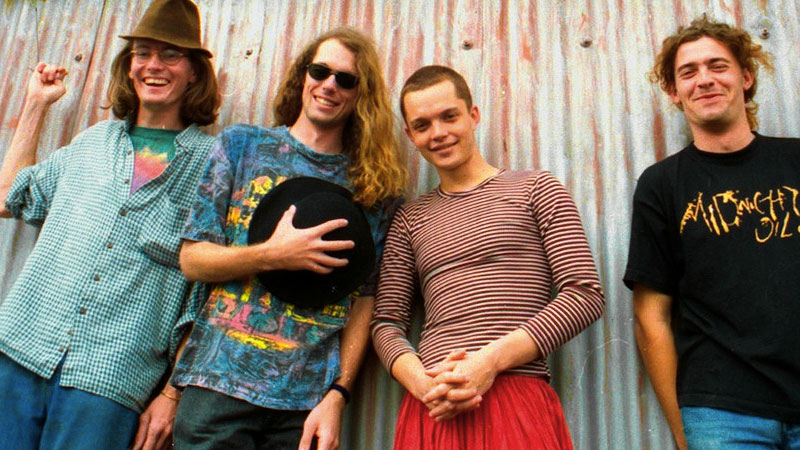


Durban-born singer-songwriter, guitarist and film composer. A founding member of Urban Creep, formed in Durban in 1994. While still a member of Urban Creep he co-formed the acoustic duo Van der Want/Letcher with Matthew van der Want in 1997. After Urban Creep disbanded in 1998 he relocated, eventually settling in London in the early 2000s where he completed a doctorate in music at the Royal College of Music.
His solo career began with the album Frieze (2007), which was listed in the Sunday Times Albums of the Decade. His follow-up, Spectroscope (2011), was named Mail & Guardian album of the year. Hyperbalist followed in 2013. Both Frieze and Spectroscope featured in the Mail & Guardian’s “20 Best CDs of the Decade by South African Artists” list.
Alongside his recording career he has become a prolific film and television composer. Credits include Claire Angelique’s My Black Little Heart, the BBC TV series Women in Love, the BBC film The Challenger Disaster (2013, starring William Hurt), Ntshavheni wa Luruli’s Elelwani (2013), and the South African box-office hit Kandasamys (2016). His score for Matthys Boshoff’s The Story of Racheltjie De Beer (2019) won Best Feature Film Score at the South African Film and Television Awards, an award he had previously won in 2016. He is a lecturer in screen music composition at the University of Edinburgh.